
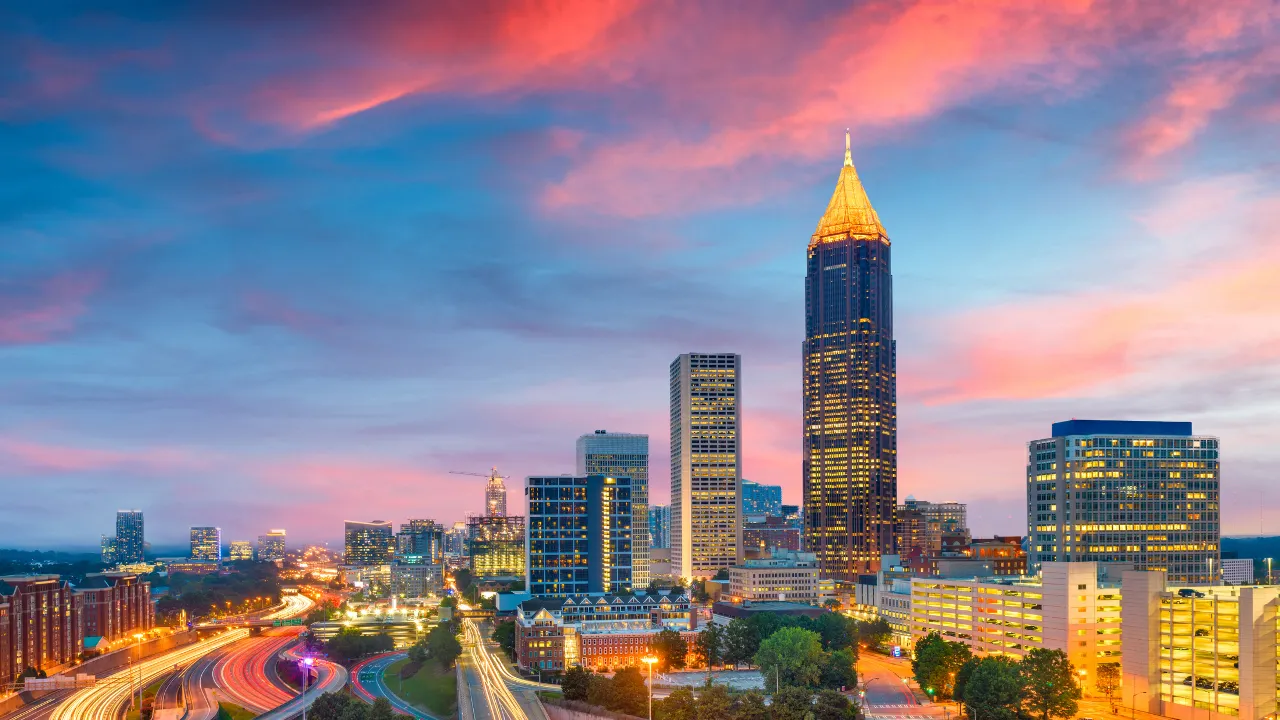
Atlanta isn’t just another Southern city. It’s a place where civil rights history sits comfortably next to Marvel film sets, where transplants from California find themselves building real roots, and where you can eat some of the best food in the country without pretension. If you’re considering a move here, you deserve to know what you’re actually getting into—not the brochure version, but the real one.
Why People Actually Move to Atlanta (And Why They Stay)
Atlanta has been the fastest-growing major metro in the Southeast for the last decade. The reasons are predictable on paper—no state income tax, affordable real estate compared to coastal cities, booming job market in tech and film production. But the real reason people stay? It’s the feeling that you landed somewhere that hasn’t finished becoming itself yet.
The city rewarded early arrivals and still rewards newcomers. If you’re coming from LA or NYC, your money works here. If you’re coming from a smaller city, the infrastructure, restaurants, and cultural offerings feel boundless. And unlike those coastal markets, Atlanta hasn’t priced out the middle class entirely—yet.
But let’s be honest about the tradeoffs: summers are brutal and humid, traffic on I-85 can destroy your soul, and the racial and economic divides in metro Atlanta run deep. These aren’t secrets—they’re context.
Where to Actually Live: Neighborhoods That Make Sense
Your neighborhood choice in Atlanta shapes your entire experience. The city sprawls—really sprawls—so proximity to your workplace or your lifestyle matters more than it does in compact cities.
Midtown & Poncey-Highland: The urban core. Walkable, young, gay-friendly, and packed with restaurants and bars. Home to the High Museum of Art and direct access to the Atlanta BeltLine. Rent is high, parking is a nightmare, and you’ll never be bored.
Virginia Highland & East Atlanta: Tree-lined streets, craftsman bungalows, and actual neighbors. This is where young families and creative types settled before gentrification fully arrived. Coffee shops, vintage stores, and a real sense of community.
Buckhead: If you want luxury, shopping on Peachtree, and proximity to corporate offices, Buckhead is it. More expensive, more polished, less diverse, and with the traffic to match.
Decatur & Tucker: Technically suburbs, actually wonderful. Walkable town squares, excellent schools, park systems that work, and families who stay. The tradeoff: you’ll spend 30 minutes on the interstate to get downtown.
What You Need to Know About Getting Around
Atlanta’s transit system is MARTA (Metropolitan Atlanta Rapid Transit Authority). If you’re coming from New York or DC, it will feel slow and limited. If you’re coming from most of the South, it will feel revolutionary. Reality: you’ll need a car. Most people have one, sometimes two. The BeltLine—a 22-mile loop of converted rail corridors now used for walking, biking, and running—is genuinely great if you live near it.
Traffic peaks at 7-9 AM and 4-6 PM. I-85 and I-75 are the spines that hold the metro together, which means they’re chronically congested. Avoid driving 285 during rush hour unless you enjoy existential suffering.
Food: Where Atlanta Actually Excels
Atlanta earned its Michelin Guide in 2021. The city has serious culinary talent, and unlike other food cities, it doesn’t require you to mortgage your house for dinner. The food traditions that matter here are Southern soul food and African American cuisine—authentic, not Instagram-fied.
Paschal’s Restaurant: If Atlanta had a culinary ambassador, it would be Paschal’s. This is where Dr. King ate. The fried chicken is legendary—crispy outside, impossibly tender inside. The collard greens taste like someone decided to spend three hours making a side dish into an experience. Go early, expect to wait, and understand you’re eating history as much as food.
The Busy Bee Cafe: Another cornerstone. Oxtails, mac and cheese, sweet tea that actually tastes like it came from someone’s grandmother’s kitchen. The atmosphere is warm and unpretentious. This is real Southern cooking, not Southern cooking for tourists.
The Varsity: The world’s largest drive-in restaurant, and genuinely fun. Chili dogs, frosted oranges, and the iconic “What’ll ya have?” greeting. It’s kitschy, it works, and it’s been feeding Atlanta for nearly a century. Go once for the experience.
Slutty Vegan: Don’t let the name fool you—this wildly popular vegan fast food spot proves Atlanta’s food culture isn’t stuck in the past. Creative, indulgent plant-based burgers and sandwiches. Long lines and lively energy. It’s Atlanta being itself: playful, forward-thinking, and genuinely good.
Cultural Institutions That Matter
Martin Luther King, Jr. National Historical Park: Start here. Dr. King’s birth home, Ebenezer Baptist Church, and the King Center aren’t just tourist stops—they’re essential to understanding how Atlanta became Atlanta. The park is free and deeply moving. Plan for 2-3 hours.
National Center for Civil and Human Rights: Modern, interactive, and emotionally demanding. This museum covers the Civil Rights Movement and contemporary human rights issues globally. It’s not comfortable—it’s designed to provoke thought.
The Georgia Aquarium: One of the largest in the world. If you have kids, it’s worth the trip. If you don’t, it’s still impressive—whale sharks are legitimately awe-inspiring.
High Museum of Art: The architecture alone is worth seeing. The collection spans European and American art, photography, and rotating exhibitions. Check their current exhibitions.
Getting Oriented: What Your First Year Looks Like
Summer (June–August): It’s hot and humid. Like, 92 degrees at 7 AM with 80% humidity. Most people migrate to the pool or escape to North Carolina mountains on weekends. The Beltline becomes a place you visit at dawn.
Fall (September–November): This is why people move here. Mild temperatures, low humidity, and the city actually feels inviting. Piedmont Park fills up. This is the season to explore neighborhoods, run the Peachtree Road Race, and figure out where you actually fit in the city.
Winter: Mild compared to the North, but Atlanta doesn’t handle ice well. When it snows, the city shuts down because nobody knows how to drive in it. Plan accordingly.
Spring: The Dogwood Festival happens in Piedmont Park. Gardens bloom. Life begins again after winter.
The Real Conversation About Atlanta
Atlanta has real problems. The city’s segregation by both race and class is entrenched. Public schools are strong in some neighborhoods and struggling in others. Gentrification is displacing longtime residents, especially in areas near the Beltline. The police department has had significant issues with accountability.
But Atlanta is also genuinely trying to address these problems. The city has Black leadership, active community organizations, and a culture that doesn’t ignore its history. It’s not perfect, but it’s not pretending to be either.
If you’re moving here to escape something, that’s fine—most people are. If you’re moving here to build something, Atlanta rewards that instinct. The market isn’t saturated yet. There’s still room to stake a claim.
Your Next Steps
Before you sign a lease or make an offer, spend time in your target neighborhood. Walk around on a Saturday morning. Eat breakfast at a local spot. Ask people where they actually like to go. The online guides can tell you what exists; only time on the ground can tell you if it fits your life.
If you need a guide through the real estate side of this move—neighborhoods that hold value, school districts that actually matter, properties that make sense for your budget and lifestyle—let’s talk about what you’re looking for.
Atlanta is waiting. The question isn’t whether it’s worth the move—it’s whether you’re ready to build something here.
0 Comments